「Discovering Water」カテゴリーアーカイブ

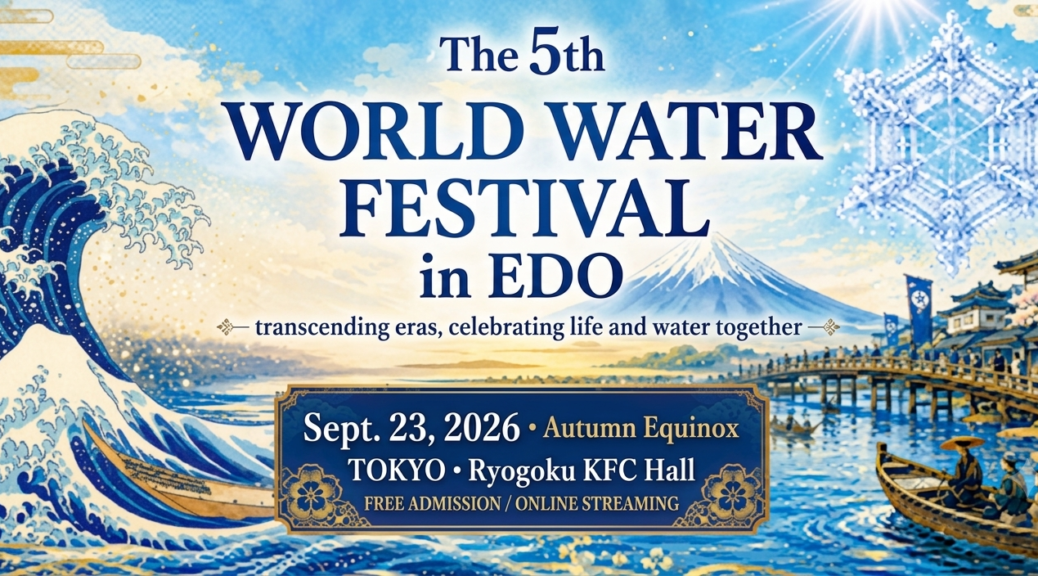
The 5th World Water Festival in Edo [Free Admission]

By Hiromasa Emoto
President, I.H.M. Co., Ltd.
Representative, Office Masaru Emoto LLC
Representative, World Water Festival General Incorporated Association

** The 5th World Water Festival Comes to Edo! **

The 5th World Water Festival will be held on Wednesday, September 23 (Autumnal Equinox in Japan) at the KFC Hall in Ryogoku, Sumida Ward, Tokyo.

While we held the festival in Hamamatsu in our first year, in Aso for our second and third years, and in Setagaya, Tokyo last year, this year’s location of “Ryogoku” carries a deeply personal meaning for me.

My father, Masaru Emoto’s mother—my grandmother—was born and raised in Ryogoku. She survived the Great Kanto Earthquake that struck on September 1, 1923.
At the time of the earthquake, there was a vast open space known as the former Army Clothing Depot (Hi Fukusho-ato), which was designated as an evacuation site. Countless people fled there for safety, including my grandmother’s father, younger sister, and younger brother, who went ahead. My grandmother and other family members followed behind them later.
However, by the time my grandmother arrived, the grounds were already overflowing with people, and she was told that no one else could enter. Forced to turn back, they headed toward the Ueno area instead.

Shortly after, a massive firestorm generated by strong winds and surrounding fires swept through the Army Clothing Depot grounds. Tens of thousands of evacuees tragically lost their lives—including my grandmother’s father, sister, and brother.
If my grandmother had managed to enter the grounds that day, neither my father nor I would exist today.

After deciding on the KFC Hall as our venue, I visited the site with two members of the World Water Festival team, Mr. Yasuhiko Aso and Ms. Michiko Hayashi. Before reaching the venue, we stopped at the Tokyo Memorial Hall located right next door—a site dedicated to honoring the victims of the Great Kanto Earthquake and the Tokyo Air Raids.
That exact location is where my ancestors lost their lives over a century ago. Standing there, we offered prayers of repose for the souls of my grandmother’s family and all those who perished.

The historical photographs on display inside were heartbreaking. There was also a designated area for placing otoba (wooden memorial tablets) called Yume Kuyo / Hana Kuyo (Memorials for Dreams and Flowers), accompanied by the following message:
“Those who lost their lives in the sudden tragedies of earthquake and war surely carried dreams in their hearts that they might have realized had they lived.
We believe that by fulfilling our own dreams today, we honor and comfort the souls of those who could not fulfill theirs.”
With a shared determination to realize our own dreams while working to ensure no one in the world ever suffers such tragedy again, the three of us wrote our prayers on the wooden tablets.
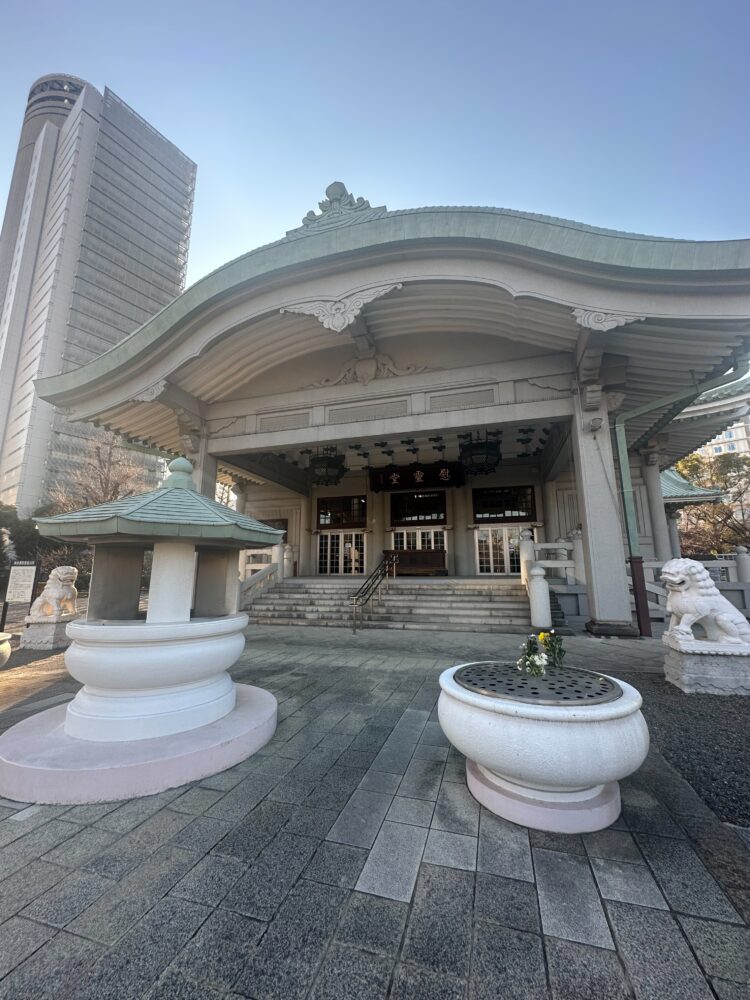
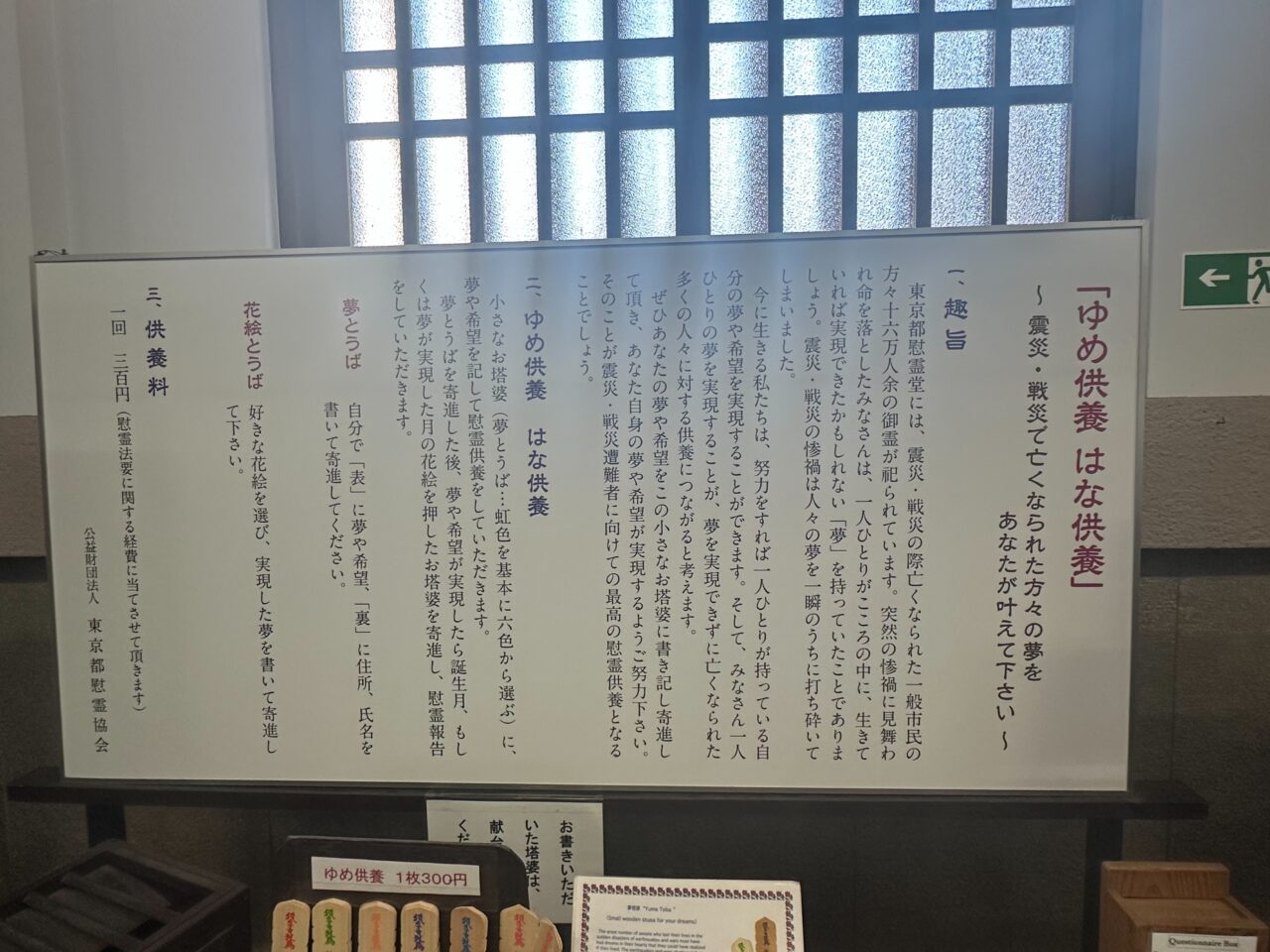
Tokyo Metropolitan Memorial Hall
Dream Memorial

Heartened and refreshed, we proceeded to the KFC Hall to inspect the venue for this year’s festival.
For me, this year’s World Water Festival is a deeply meaningful event where my connection to my ancestors intersects with prayers for the future. Ryogoku is a land with a history of people overcoming profound grief and rising again. In this sacred place, we will host a festival that unites the world through water and nurtures hope and dreams for generations to come.
Ryogoku is also famous for its rich Edo-period culture and history, and we look forward to sharing aspects rooted in this vibrant heritage.

We hope to create a moment where the unfulfilled dreams of the past meet our dreams today, connecting them into the future. I feel a strong premonition that this will be a truly special day—one where the deep memories held by the land of Ryogoku resonate with the dreams we envision together.

** Event Highlights & Featured Guests **
Morning Session:  Gaia-Tech Fest
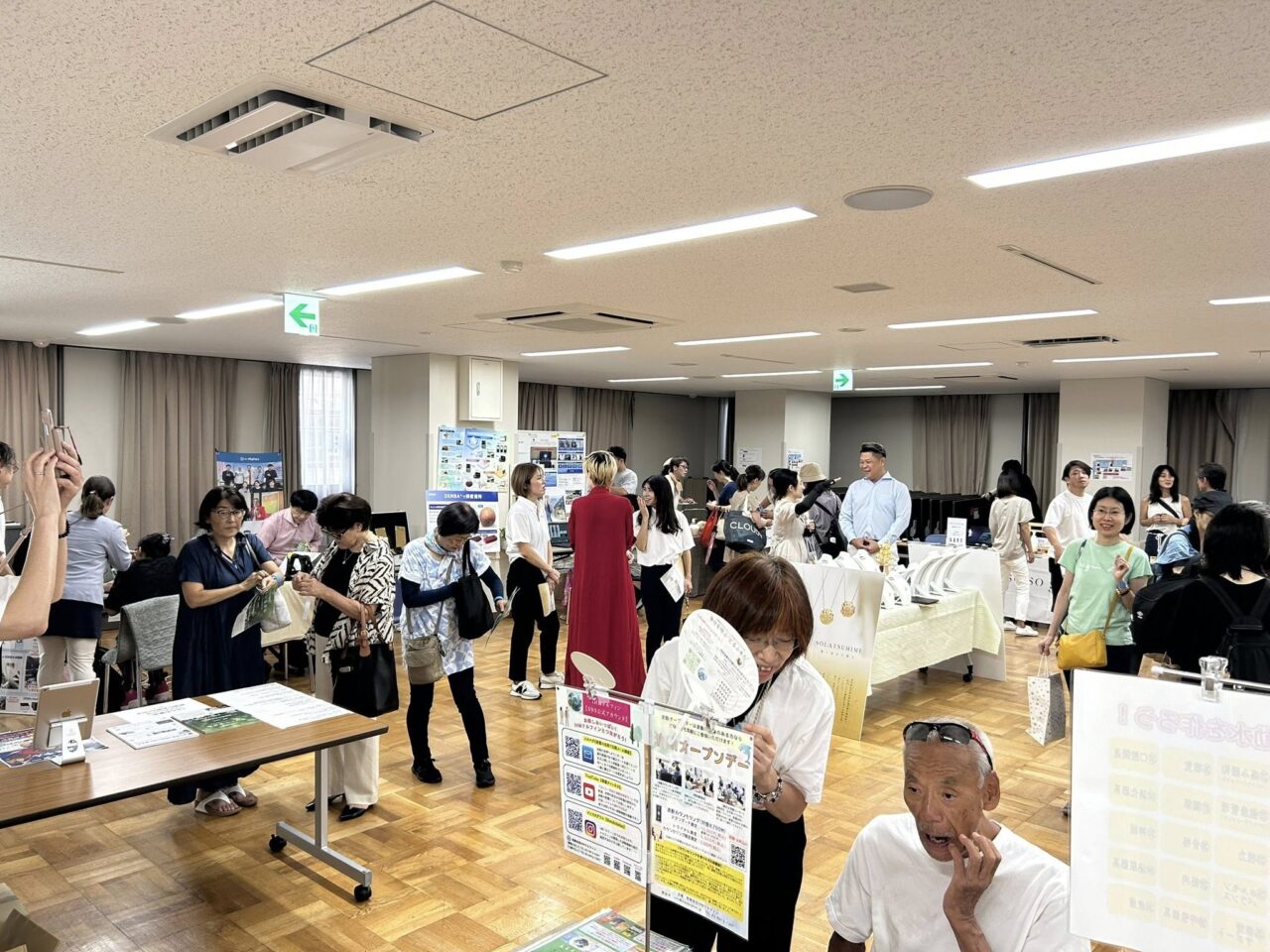
Scenes from the Last GaiaTech Fest

In the morning, we will host the Gaia-Tech Fest, a special exposition introducing cutting-edge technologies and products designed to support the future of our planet and the health of our minds and bodies. Featuring innovations across environmental technology, wellness, energy, and Hado (vibrational theory), it will offer a rare hands-on opportunity to experience the technologies shaping the coming era. Additionally, sponsor-led expert seminars will offer valuable insights and vision for the future.

Afternoon Session: The 5th World Water Festival Opening
The main stage of the World Water Festival begins in the afternoon. Opening the event with sacred sound (Otobiraki) will be Riko Wakewake, a pink conch shell (Pink Horagai) player. She previously performed at the World Water Festival in Aso, where the resonant tones of her conch shell echoed through nature and deeply moved the audience. Her performance as part of an all-female conch shell group felt like a direct prayer bridging earth, sky, and water. Once again, her pure, powerful tones will beautifully announce the start of our gathering.
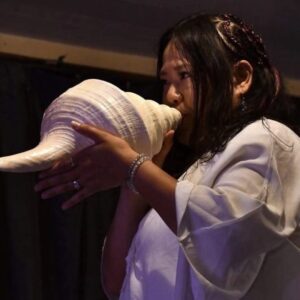
Riko Wakewake, Pink Conch Shell Player

Guest Speaker:  Film Producer Tetsu Shiratori
We are also honored to welcome back film director Tetsu Shiratori, a familiar face to our Hado members. Tetsu Shiratori possesses a deep understanding of Edo culture and environmental issues, consistently sharing messages focused on the future of our planet. He is the ideal guest for “World Water Festival in Edo.” Welcoming him to this stage brings immense joy and adds incredible depth and vision to the event.
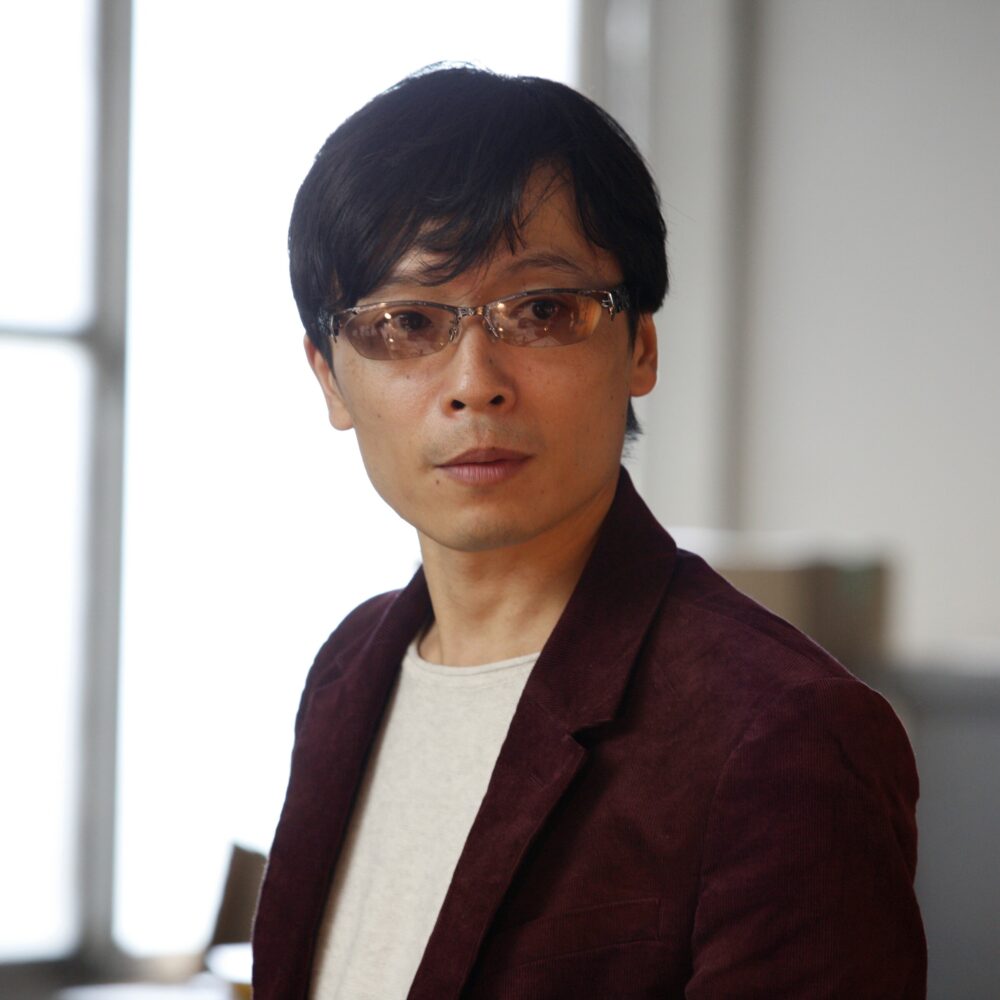
Tetsu Shiratori, Film Producer

Global Live Broadcasts
Continuing from last year, we will connect live with international partners during the festival. Wendy Rice, a Hado Instructor in Australia, and Christina Rindsjo, a Hado Instructor in Sweden, are preparing local ceremonies in their respective countries. We will stream online to link with them in real time, sharing their prayers and messages globally. Connecting with people worldwide on the Autumnal Equinox to resonate with a shared prayer is profoundly meaningful—a moment that beautifully embodies our vision of unifying the world through water.
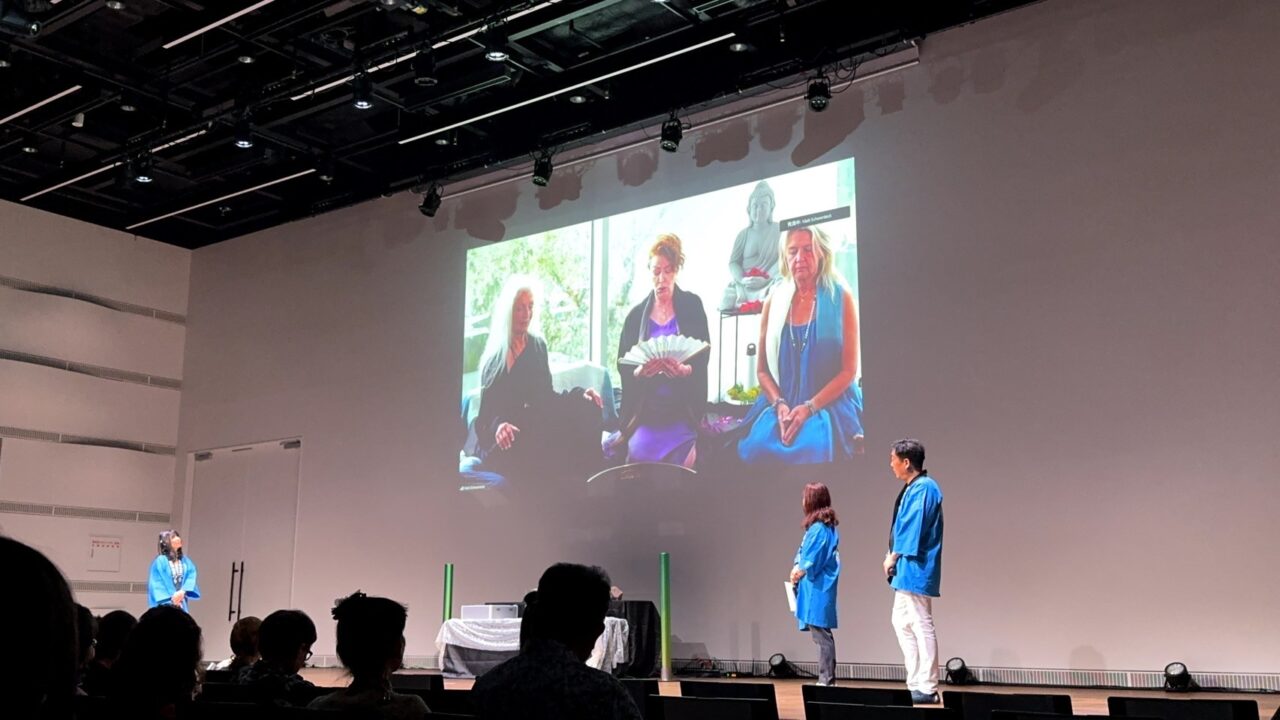
Scene from the Last GaiaTech Fest

Water Ceremony Led by Nene
The “Prayer for Water” ceremony will once again be led by artist Nene. Her prayer at the 4th World Water Festival touched hearts deeply; the pure, profound vibrational frequency of her prayer enveloped the entire hall, making it feel as though the water itself was responding. In addition to praying for water, we will also offer prayers of repose for the souls of those who lost their lives in Edo. We live today thanks to the accumulated efforts and prayers of countless ancestors. We hold deep gratitude in our hearts as we join together in prayer for them.

Global Messages & Indigenous Wisdom
We will present message videos sent from across the globe. As we reach the 5th World Water Festival, the circle of people resonating with this vision continues to expand. In particular, the message that “protecting the Earth’s water leads to protecting ourselves” resonates deeply with Indigenous peoples worldwide. For generations, they have lived in dialogue with nature, remaining stewards of water. Their wisdom and prayers serve as an irreplaceable guidepost for our modern world, and we look forward to sharing their voices with you.

The Finale: Hiroki Okano & JAPAN CONVERGENCE 2026
Our grand finale will feature world-renowned musician Hiroki Okano. Our deep connection with Mr. Okano was forged through CONVERGENCE—a week-long pilgrimage of prayer and wisdom that began on the Summer Solstice (June 21) at Tenkawa Shrine, continuing through Kashihara and Mount Fuji.
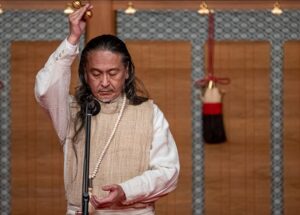
CONVERGENCE brought together Pacific Rim Indigenous leaders to share their sacred traditions alongside Japanese wisdom, sending messages of world peace grounded in global cycles and ancestral prophecies. On February 25, 2025, at the Mayan sacred site of Tikal, the “Tikal Convergence” marked the completion of a ~26,000-year galactic cycle. During this ceremony, Hiroki Okano was invited as a representative “Sun Clan Chief” of Japan and received the “Rainbow Baton” in front of the Pyramid of the Sun—symbolizing a sacred promise among “soul families” to share the beginning of the new 26,000-year cycle from Japan.

On the Summer Solstice of June 21, 2026, a new cycle began from Tenkawa Shrine. Leaders from 15 Indigenous tribes—soul families who have protected Earth and water for generations—gathered in Japan for a pilgrimage through sacred sites from Tenkawa to Kashihara and Mount Fuji.

Japan holds a deep spiritual heritage capable of receiving such prayers and welcoming the world. Accepting the Rainbow Baton on behalf of Japan, Hiroki Okano embraced this profound responsibility and mission.
The World Water Festival supported this initiative with deep respect, and our team participated in the symposium held in Kashihara City the day after the Summer Solstice. Over 1,400 people gathered in Kashihara—considered the birthplace of Japan—filling the hall to capacity on a weekday. Indigenous leaders shared their spiritual cultures through dance, song, and dialogue, exploring how to live in harmony with nature in this new cycle. At the reception, many Indigenous leaders expressed familiarity with Masaru Emoto’s work and water crystal photography, showing deep respect upon learning I was his son. Connecting with those who have prayed for water across generations was an unforgettable honor.

JAPAN CONVERGENCE 2026 represents the dawn of a new era, broadcasting these prayers from Japan out to the world. The World Water Festival is honored to carry this baton forward from the Summer Solstice to the Autumnal Equinox.
Having Hiroki Okano perform at our finale is a true blessing that will guide the entire festival into a space of deep harmony and prayer.

Event Details & Invitation
Despite featuring such extraordinary guests and meaningful programs, admission to the 5th World Water Festival is completely free.

To move one step closer to the dream my father, Masaru Emoto, dedicated his life to—World Peace Through Water—we want as many people as possible to join this circle of prayer.

Please join us on September 23 (Japan Time) online or in person at the KFC Hall in Ryogoku in Tokyo.
Let us come together to experience the moment the world unites through water and send our shared prayers into the future.

With Love and Gratitude,
Hiromasa Emoto
WATER – The Strangest Liquid

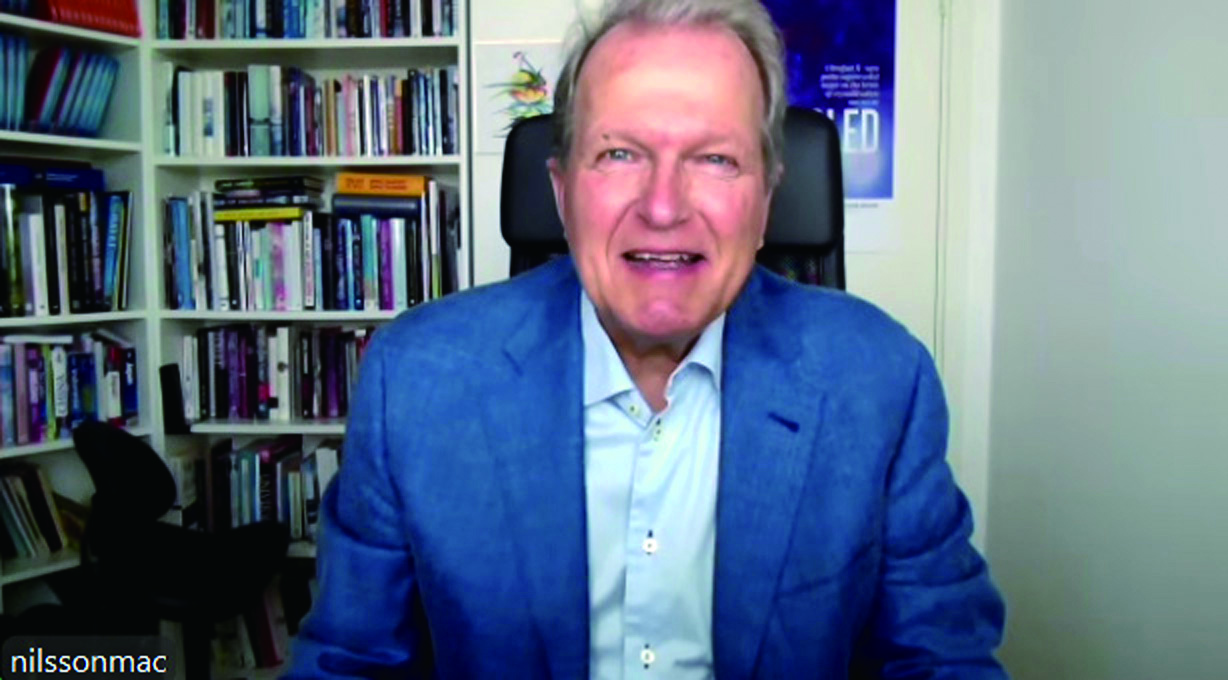
An Interview with Dr. Anders Nilsson

Professor of Chemical Physics at Stockholm University

 Interviewers:

  • Dr. Yasuyuki Nemoto (Advisor to Office Masaru Emoto LLC)
  • Hiromasa Emoto (CEO of I.H.M. Co., Ltd. / Representative of Office Masaru Emoto LLC)

We had the privilege of interviewing Dr. Anders Nilsson, a world-renowned water researcher who experimentally proved—using X-ray photoelectron spectroscopy—that liquid water actually has two different “phases”: “High-Density Liquid” and “Low-Density Liquid.”

Dr. Nemoto: Dr. Nilsson, could you please start by giving us a brief introduction of yourself?

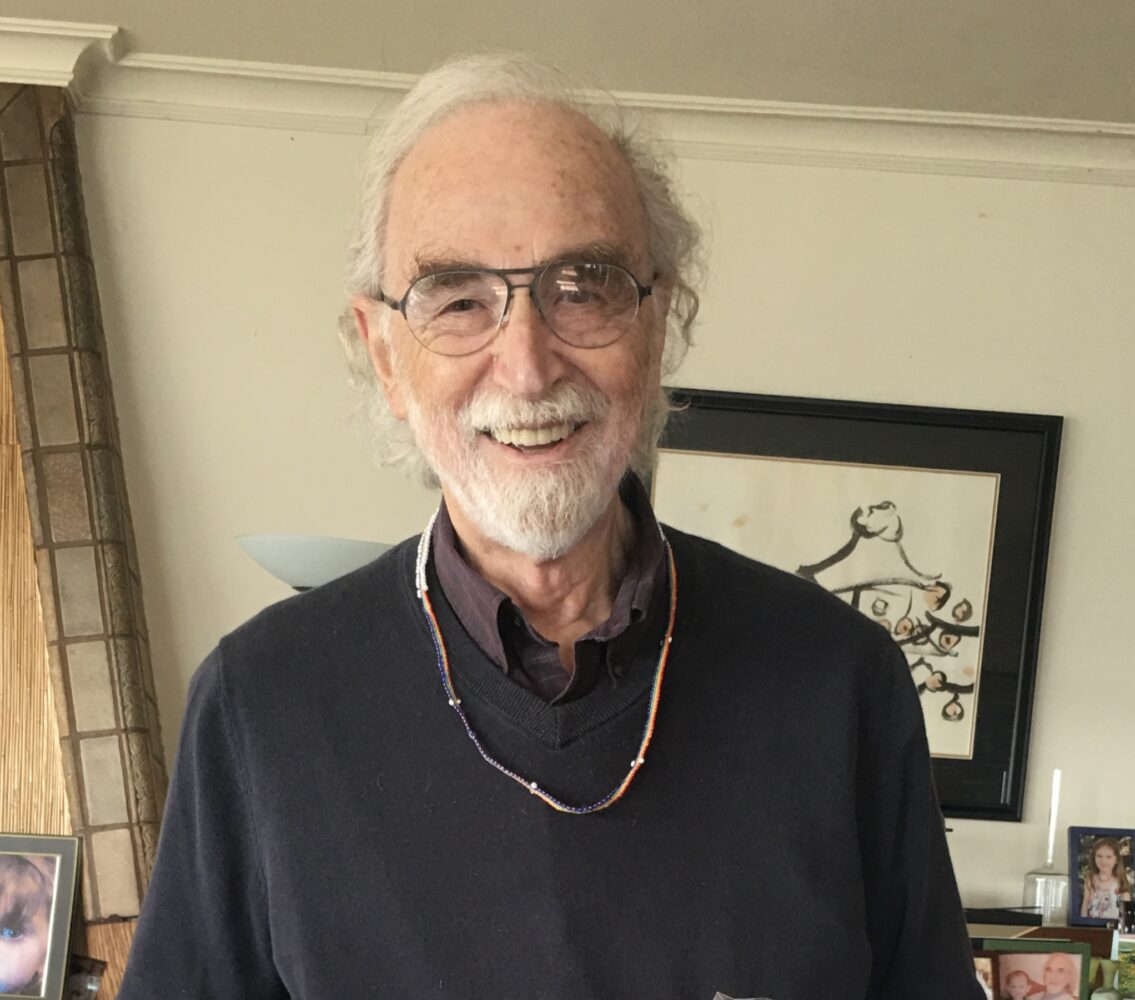
Dr. Nilsson: Certainly. I am currently a Professor of Chemical Physics at Stockholm University. In addition, I hold a position as a Professor of Photon Science at Stanford University.

Regarding my background, I obtained my PhD in Physics in 1989 at Uppsala University in Sweden, working in the laboratory established by Nobel Laureate Kai Siegbahn, which focused on X-ray photoelectron spectroscopy. After spending some time in Sweden, I moved to the Lawrence Berkeley National Laboratory in California as a visiting scientist.

This eventually led to my appointment as a professor in photon science at Stanford University. I spent 15 years at Stanford, and in 2014, I returned to Sweden as part of a special program designed to recruit top scientific talent from abroad.

The Mysterious Physical Properties of Water

Dr. Nemoto: I watched your documentary film, Water: The Strangest Liquid, and I was deeply moved by the collection of beautiful imagery. Could you tell us what initially sparked your interest in researching water?

Dr. Nilsson: It was actually quite accidental. My background was in other fields, but I was a specialist in X-ray technology. At the time, we were using X-ray techniques to study an amino acid called glycine dissolved in water.

One day, we decided to measure just the water itself as a background control. When we used this technology to look at the background water, we observed something very strange. At first, I thought, “Well, it’s probably nothing major.” However, as time went on, it became clear that this phenomenon was highly significant.

Since then, my research has attracted a great deal of attention. What was initially just a “background” element became the primary subject of my life’s work.

What was initially just a “background” element became the primary subject of my life’s work.

Dr. Nemoto: Water is indeed “the strangest liquid,” and your film touched upon several key points regarding this. What do you personally find to be the most mysterious property of water?

Dr. Nilsson: Despite being such a fundamental substance, water behaves completely differently from most other liquids. These unique behaviors are called “anomalies,” and water possesses a wide variety of them.

For instance, its basic physical properties—such as density, specific heat, compressibility, and viscosity—all show behaviors that deviate entirely from other liquids.

Most liquids on Earth behave similarly to one another under ambient conditions like standard temperature and pressure. If you look at how changes in pressure and temperature affect their physical properties, they follow a predictable pattern, allowing them to be categorized into a single group of behaving liquids.

Water, however, stands completely outside of that framework. It draws a clear line between itself and all other liquids.

Why Humans Exist: The Maximum Density of Water

Dr. Nemoto: I would love to dive deeper into your specific research. Could you explain it in a way that is easy to understand for the general public who may not be familiar with this field?

View Dr. Anders Nilsson’s profile here. https://www.su.se/profiles/andersn-1.186733

Dr. Nilsson: Water is extraordinarily strange when it comes to its fundamental physical properties. Let me give you a familiar example that many people have probably heard of: the phenomenon known as the “density maximum.”

Normally, as you lower the temperature of a liquid, its density increases. This is a universal property for almost all liquids under ambient conditions on Earth. An increase in density means the volume of the liquid contracts—it shrinks. This is true for almost all substances, including solids. The reason substances contract is that their molecules slow down, collide less frequently, and pack more tightly together.

However, in the case of water, this contraction stops when it cools down to 4°C (approx. 39°F). If the temperature drops below 4°C, water unexpectedly begins to expand. This is incredibly bizarre.

Let me explain why this “density maximum” is so vital. If water did not have this property, it would continue to contract as it cooled. If that were the case, humanity would likely not exist today.

As a biologist, you know that land animals, including mammals, originally evolved from the oceans. If water behaved like a normal liquid, water at 0°C would be the heaviest and densest, meaning that during the Ice Age, the oceans would have frozen from the bottom up. Once frozen from the seabed up, melting that deep ocean ice would have been nearly impossible, which would have had a catastrophic impact on the survival of life.

But that is not what happens. As water cools, it reaches its maximum density at 4°C and sinks to the bottom. However, as it cools even further and approaches 0°C, it becomes less dense—lighter—and floats to the surface. Therefore, water freezes at the top. This unique trait prevents oceans and lakes from freezing from the bottom up, allowing life to survive beneath the surface ice.

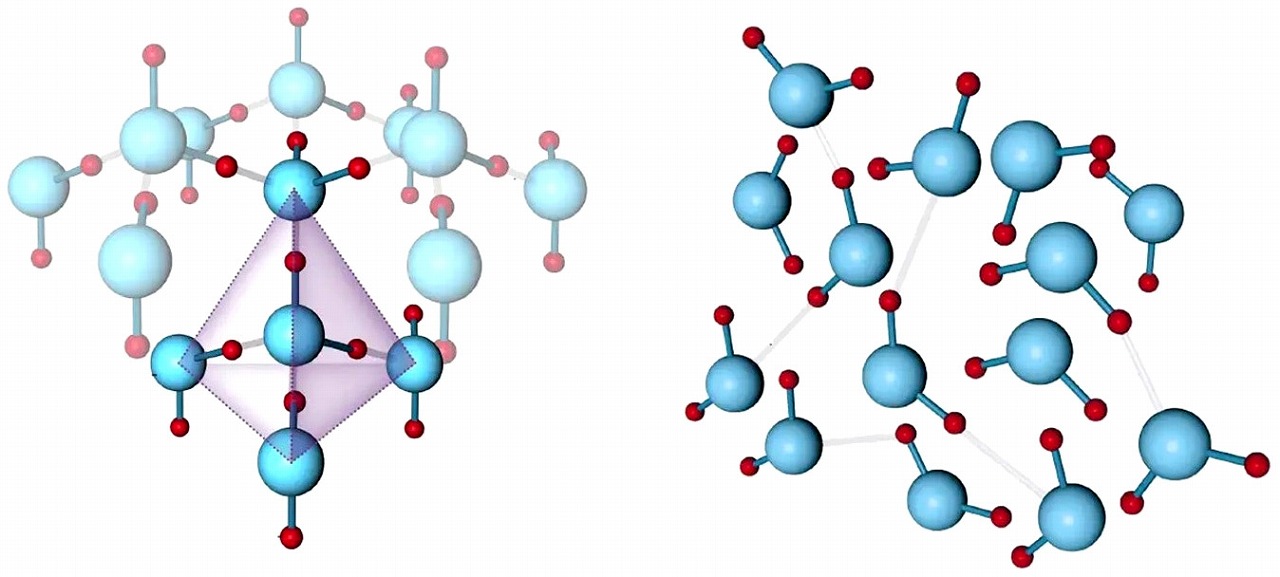
Figure 1: Low-Density Liquid water (left) and High-Density Liquid water (right)
https://nazology.kusuguru.co.jp/archives/69438

Deep at the bottom of the oceans, water remains at a nearly constant 4°C and never freezes. Furthermore, because water hits its maximum density at 4°C, it drives active circulation and convection currents in the ocean. This convection transports nutrients across various depths, sustaining marine life. We should be deeply grateful for this miracle of water’s anomalous nature, as it forms the very foundation of our existence.

Beyond the density maximum, water has many other unique properties.

For example, its “heat capacity” is remarkably high. This means it requires a vast amount of thermal energy to raise its temperature, allowing water to store an immense amount of heat. Because of this, countries like Sweden can enjoy a relatively mild climate, thanks to ocean, currents bringing warm water all the way from the Caribbean and the southern parts of North America.

Part 2: The Two Phases of Water & The Future of Science

 Water Changes Its Density Based on Structure

Dr. Nilsson: In our research, we utilized X-rays to obtain information about the structure and dynamic movement of water molecules in liquid form. We wanted to test various hypotheses to explain these strange anomalies, such as specific heat capacity and the density maximum.

One of the hypotheses proposed to explain these unique properties is that water may exist in two distinct structural states.

  • Low-Density Liquid (LDL): This structure is similar to ice, where water molecules are bound together in what is called a “tetrahedral arrangement.” Each water molecule is surrounded by four neighboring molecules via directional hydrogen bonds, creating an open, low-density structure.
  • High-Density Liquid (HDL): In this structure, some of the hydrogen bonds are broken, allowing more water molecules to crowd around a single molecule, resulting in a higher density.       ** See Figure 1 **

This hypothesis suggests that these two distinct structures can exist as macroscopic liquids—meaning billions of water molecules can cluster together to form the same structure.

It is much like a “phase.” Just as ice, liquid water, and water vapor are different phases, this hypothesis views liquid water itself as consisting of two different phases: Low-Density Liquid and High-Density Liquid.

While there was a lot of theoretical research on this, a few years ago, our team succeeded in proving this hypothesis experimentally. We discovered that these two states indeed exist at a microscopic scale and can transition back and forth into one another.

The Two Densities of Water:

Understanding the Phase Diagram

Using our newly discovered phase diagram, let me explain how the state changes between these two liquids.

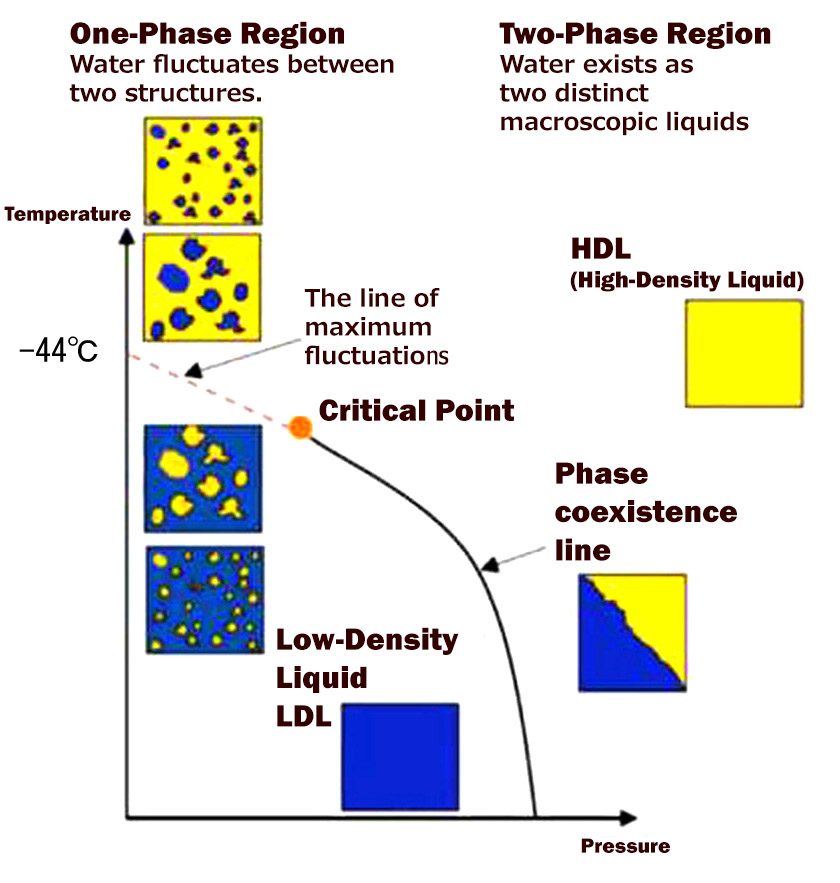
Figure 2: Phase diagram of Low-Density Liquid and High-Density Liquid

The right side of the diagram represents a region of high pressure and extreme low temperature, labeled as the “Two-Phase Region.” Here, you see a curve called the “Phase Coexistence Line.”

Above this line, water exists purely as a High-Density Liquid. Below this line, it is purely a Low-Density Liquid. Right on the line, the two phases coexist seamlessly, much like ice and liquid water coexist in a glass of ice water.

At the end of this line lies the “Critical Point.” In the region of lower pressure to the left—labeled the “One-Phase Region”—something fascinating happens. The separation between the two phases disappears, and only a single phase exists.

If we look at normal atmospheric pressure (1 atm), which falls into this “One-Phase Region,” we can finally understand why water reaches its maximum density at 4°C.

In boiling water near 100°C, water exists almost entirely as a High-Density Liquid. As the temperature drops, it contracts like a normal liquid, causing its density to increase. Around 50°C, the Low-Density Liquid structure begins to appear slightly, but the overall density continues to rise due to the contraction of the High-Density Liquid.

However, as the temperature approaches 4°C, the contraction of the High-Density Liquid slows down, while the proportion of Low-Density Liquid increases significantly. At exactly 4°C, the Low-Density Liquid makes up about 20% of the total.

At this point, two opposing forces balance each other out perfectly: the High-Density Liquid trying to make the water denser by contracting, and the increasing Low-Density Liquid trying to make it less dense. This perfect balance creates the maximum density point. Below 4°C, the Low-Density Liquid dominates, causing the overall density to decrease as it gets colder.
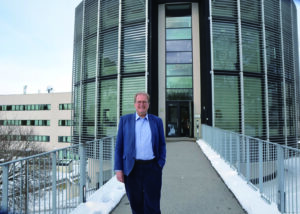
Dr. Anders Nilsson at the University
 A Message to people: Reaching “Water 2.0” and Beyond

Dr. Nemoto: I see! Viewing liquid water as a mixture of High-Density and Low-Density liquids explains the 4°C density maximum beautifully.

It is a truly brilliant piece of research. Do you have a message for the people who are passionate about water research?

Dr. Nilsson: My message is that water is an incredibly fascinating entity that holds countless mysteries. We have only managed to glimpse a tiny fraction of it. The future holds immense possibilities.

Truly unlocking the secrets of water requires exploration across many different dimensions, including fluctuations at microscopic length and time scales that we still know nothing about.

I strongly encourage the younger generation to get involved in this research and pursue this theme for decades to come.

Mr. Emoto: In the scientific study of water, what percentage of the “truth” do you feel has already been uncovered? If 100 represents total understanding, where do we stand today?

Dr. Nilsson: That is a very difficult question because I do not know what “100” truly looks like. However, I wouldn’t be surprised if future discoveries completely change our current understanding.

If I were to speak a bit romantically and make a guess… I think there is a stage we can call “Water 1.0,” which was the discovery of hydrogen bonds and how water molecules interact with each other.

The next stage is “Water 2.0,” which is where we are right now—the discovery that water can take on two different liquid states (Low-Density and High-Density).

“Water 3.0” is a future stage I am currently speculating about, which looks at how the fluctuations of water influence other things. And beyond that, there is still so much more to discover.

There will be a “Water 4.0,” and I have no idea what “Water 5.0” will even look like. If I had to guess, we probably only understand about 20% of water right now. Water is critically important to biology, geology, chemistry, and medicine. So many breakthroughs are waiting for us in the future.

Dr. Nemoto: Dr. Nilsson, thank you so much for taking the time for this interview and for sharing your invaluable insights with us!

Mr. Emoto: I am certain that my late father, Masaru Emoto, is celebrating this interview from the other side. Thank you very much, Dr. Nilsson!

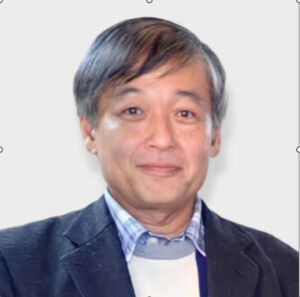
Dr. Yasuyuki Nemoro

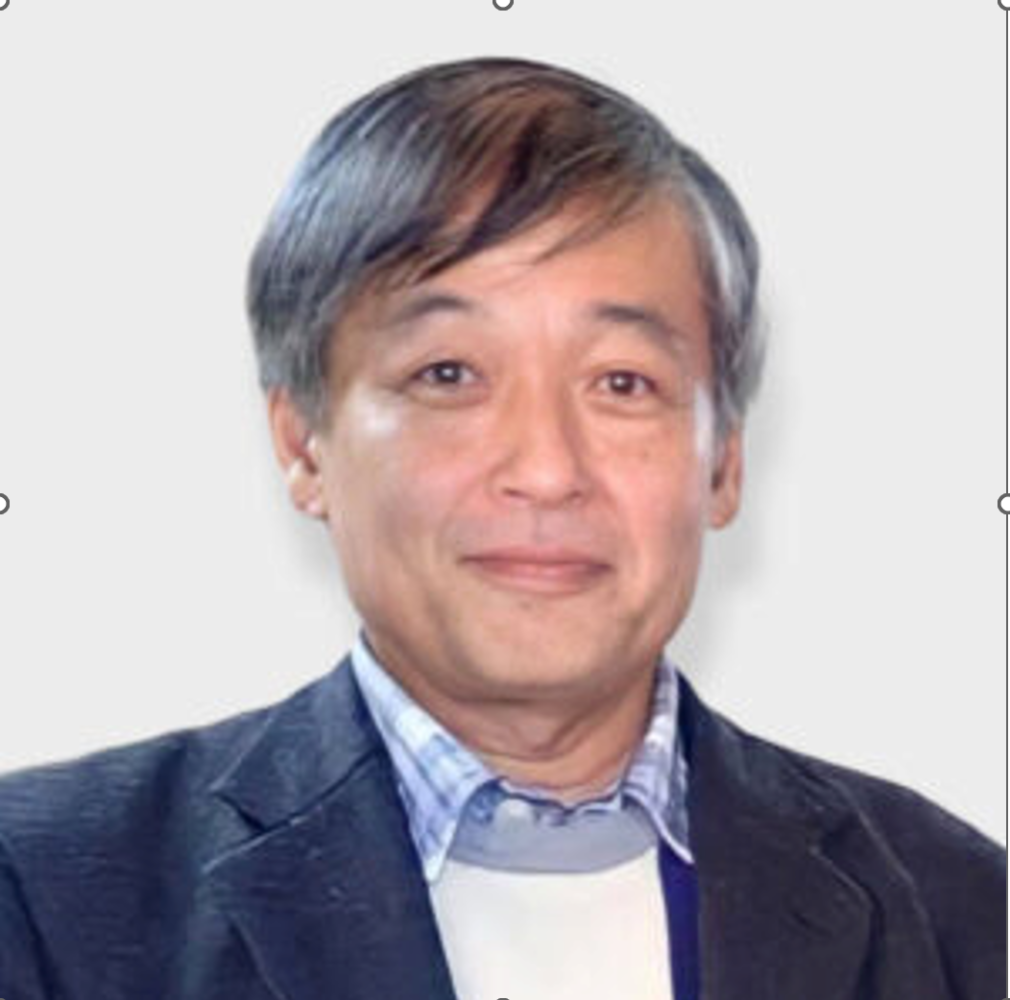
Yasuyuki Nemoto, Ph.D. Director of the Life System Institute. He received his Doctorate in Science in the field of cellular and molecular biology from the University of Tokyo in 1988. In January 2002, he began working as the international secretary for the late Chairman Masaru Emoto. Over the following 13 years, he accompanied Chairman Emoto on international lecture tours, visiting more than 25 countries worldwide.

In October 2014, he delivered a keynote speech titled “Messages from Water and Science” at the International Water Conference. He organized the “Love and Gratitude Concert for Planet Earth” in July 2015 to honor Chairman Emoto’s legacy. In April 2016, he invited Dr. Pollack to Japan for a lecture in Tokyo, and in May of the same year, he held the “Ceremony to Offer Love and Gratitude to the Waters of the World” at Oshino, near Mt. Fuji. Currently, he serves as an advisor to the IHM General Research Institute and Office Masaru Emoto, and is a certified Grade 2 Electromagnetic Wave Surveyor. https://life-system-labo.com

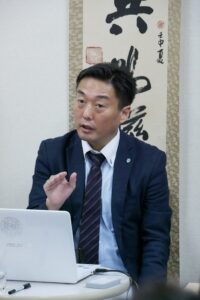
Hiromasa Emoto

Hiromasa Emoto Born in Nagoya in 1976. After graduating from university in the United States, Hiromasa joined I.H.M. Co., Ltd. as a researcher, specializing in water crystal photography. He later relocated to Los Angeles, California, where he worked closely with his late father, Dr. Masaru Emoto, organizing numerous events to introduce the concept of Hado (vibrational energy) and “The Message from Water” to a global audience. He was appointed CEO of I.H.M. Co., Ltd. in 2014, and Managing Member of OFFICE MASARU EMOTO LLC in 2018. Carrying on his father’s profound legacy, his lifelong mission is to share Hado technology and the wisdom of water crystal photography both in Japan and internationally. In 2019, he successfully crowdfunded and published “The Message from Water: The Final.” Official Website: https://hado.com


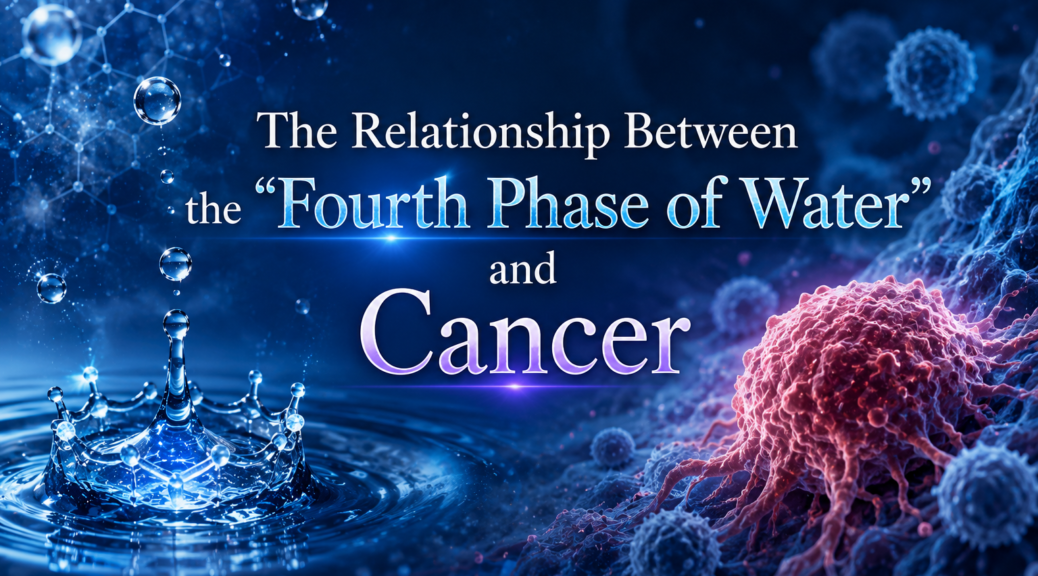
The Relationship Between the “Fourth Phase of Water” and Cancer

This article features an interview with Dr. Gerald Pollack, conducted by Dr. Nemoto, an advisor to IHM and Office Masaru Emoto.

Guest: Dr. Gerald Pollack, Professor of Bioengineering, University of Washington.

Interviewer: Yasuyuki Nemoto, Advisor to IHM & Office Masaru Emoto.


Nemoto: I recently read your latest paper, “Cancer: An Unexpectedly Critical Role of Cell Water?” (Note 1).

I found it to be a remarkably fresh and vital perspective. Today, I’d like to discuss this research with you. Could you explain your findings in a way that is easy to understand, even for those without a background in this field?


Note 1: Pollack GH (2024) Cancer: An Unexpectedly Critical Role of Cell Water? Adv Prev Med Health Care 7: 1060.


Dr. Pollack: Thank you. I’ll do my best to keep it simple. Generally speaking, I prefer to think about things in simple terms. I believe that following a simple path leads us to the truth, whereas overcomplicating things only makes them harder to grasp.


Now, when it comes to cancer, it’s a disease that has been studied for a very long time. More than 50 years ago, President Nixon launched the “War on Cancer.” Yet, I don’t think we can say we’ve won that war just yet. I think the reason we haven’t succeeded is that many researchers believe cancer is so incredibly complex that it can never be fully defeated. But it’s possible that the direction they’ve been looking in is simply the wrong one. Until now, cancer research has focused almost exclusively on genetic mechanisms. Other aspects have largely been ignored.


It reminds me of a story about a man who lost his car keys. A police officer comes by and asks, “What happened?” The man says, “I lost my car keys.” The officer asks, “Are you sure this is where you dropped them?” The man replies, “Well, no, I might have dropped them somewhere else—but this is the only spot where the streetlights are on, so I can actually see what I’m doing!”


The same can be said for cancer research. There are countless studies on the genetic side because we have the tools to look there. But in other areas, we barely have a clue where to start.

Through our research into the “Fourth Phase of Water,” we realized there is another way to explain the mechanism of cancer. That is, by looking at how water acts inside our cells. We decided to approach it from this entirely different perspective.


Years ago, our research led to a discovery: the water inside our cells isn’t the ordinary liquid water we see every day. It’s water in a special state. We call this the “Fourth Phase of Water,” or “EZ Water” (Exclusion Zone Water) (Note 2). What we further discovered is that when a cell has enough EZ water, it functions correctly. However, if that amount decreases, the cell begins to malfunction, which can ultimately lead to disease. I’ll explain this concept in more detail in a moment.


Note 2: Dr. Pollack’s research has proven that when a hydrophilic (water-loving) surface is in contact with water, a layer of water with a special structure forms up to about 0.1 mm from the surface. When various particles are suspended in the water, they are pushed away from this layer, which is why it is called the “Exclusion Zone.” While the water outside this zone is “bulk water” (ordinary liquid), EZ water is more viscous—almost like honey. Because its physicochemical properties differ from solids, liquids, or gases, Dr. Pollack refers to it as the “Fourth Phase of Water”.


One of the main characteristics of cancer cells is how they divide and multiply. About 50 years ago, scientists were curious about what exactly triggers a cell to divide. They discovered that a key factor was the “electrical potential” inside the cell.


Let me explain. Normally, the electrical potential inside a cell—measured against the outside, which is zero—is about -60 to -90 millivolts. What these scientists found was that in cancer cells, this negative charge is much weaker (meaning it moves closer to zero). In fact, the internal potential of a cancer cell is often only about -10 to -15 millivolts. When the charge becomes that shallow, the cell starts to divide.

In other words, if the negative charge inside a cell is weak, cancer cells will keep on dividing. Conversely, if the cell maintains a deep negative charge, cell division does not occur.

Although these initial studies were conducted over 50 years ago, I wanted to see if modern research has confirmed those findings. My investigation led me to a review article that compiled results from about 50 different studies. Every single one of them reached the same conclusion: when the intracellular potential becomes “shallow” (moving toward zero), cell division occurs. Conversely, as long as the potential remains “deep” (a strong negative value), division does not happen.

This conclusion appears to be absolute. Even in healthy processes where cells must multiply—such as in a developing fetus (Note 3)—the intracellular potential was found to be in a shallow state. However, when the negative value is deep, cell division simply does not occur. This holds true across all experimental results (Note 4).

Note 3: Even in the healthy early stages of life—where a fertilized egg divides repeatedly to become an embryo and then a fetus—the intracellular potential is in a shallow state, similar to that seen in proliferating cancer cells.

Note 4: The following diagram (adapted from Yang M. and Brackenbury, Front Physiol. 2013) illustrates this concept. The left side of the central axis shows tumor cells, while the right side shows non-tumor cells. Red indicates proliferating cells, and blue indicates non-proliferating cells. It is clear that both rapidly dividing tumor cells and healthy dividing cells have shallow negative potentials. In contrast, cells that are not dividing maintain a deep negative potential.


What is Happening to the Water Inside the Cell?

Naturally, this leads to a question: “Why do different cells have different electrical potentials?” I believe the answer lies in the “Fourth Phase of Water.”

Healthy cells are filled with the Fourth Phase of Water, or EZ water. EZ water typically carries a negative charge. If a cell is filled with a substance that holds a negative charge, the cell itself will naturally have a negative potential.

Cells saturated with EZ water function normally and maintain a deep negative potential. On the other hand, in cells where EZ water is insufficient, the degree of negative charge decreases, causing the potential to become shallow.

Let’s look at this simply. Most biologists studying cells today don’t yet understand the link between negative potential and EZ water. This is because EZ water is a relatively recent discovery. From their perspective, a deep negative potential is created solely by the action of the cell membrane, and they believe it has nothing to do with the water inside the cell (Note 5).


Note 5: According to mainstream biology, the negative potential inside a cell is created by proteins called “ion pumps” and “ion channels” located on the cell membrane, which transport ions back and forth. While most scientists subscribe to this theory, Dr. Pollack proposes a groundbreaking alternative: the negative charge exists because the cell is inherently filled with EZ water.

So, why does EZ water become insufficient in cancer cells? Here is my answer.

EZ water has a unique characteristic: it builds up from a solid surface. Inside a cell, EZ water is created wherever water touches a solid structure—such as the surfaces of various proteins or the membranes surrounding organelles.

Imagine a carcinogen enters a cell and causes a genetic mutation. As a result, the structure of the protein encoded by that gene changes. Before the mutation, that protein might have naturally generated plenty of EZ water around itself. But once its structure is altered by the mutation, it may lose its ability to form EZ water. When the ability of protein surfaces to create EZ water changes due to genetic mutations or other factors, the electrical potential of the cell changes along with it (Note 6).

Note 6: Most researchers believe cancer starts when carcinogens damage DNA, causing mutations that change the function of proteins. If these proteins are involved in controlling cell division, the mutation can “trigger” division when it shouldn’t happen. As these mutated cells multiply, they eventually form a tumor.


How to Increase EZ Water

So, what can we actually do? The answer is simple: “Create more EZ water.” In my paper, I identified ten different ways to build up or increase EZ water. Having studied this for nearly a decade, we have made many discoveries regarding its structure.

The easiest method is simply to increase the amount of water you drink. The most basic reason for a decrease in EZ water is dehydration. As we age, our bodies tend to lose moisture. When the overall water content of the body drops, the EZ water—which is a part of that total—decreases as well. By replenishing your body’s water, you can correspondingly increase the amount of EZ water.

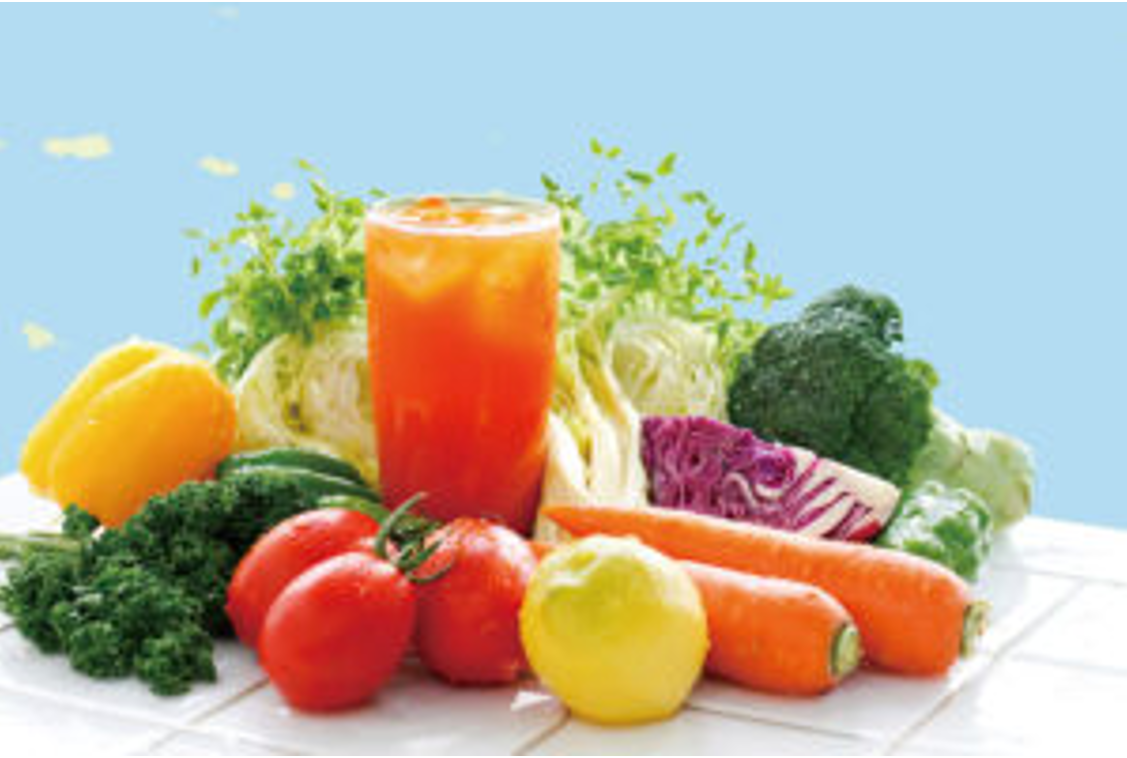
Second, to build up EZ water in the body even faster, drinking freshly squeezed vegetable juices is highly effective. Since plant cells are themselves filled with EZ water, you can absorb it directly from the source.

While human cells typically have an internal potential of about -60 to -80 millivolts, plant cells range from about -150 to -200 millivolts. In other words, plants maintain a much deeper negative potential.

This suggests that plants contain an even higher concentration of EZ water. Drinking juices rich in EZ water can have a profoundly positive impact on your health. While vegetable juices are already widely recognized as healthy, we can now recommend them specifically for their ability to boost EZ water levels.

Another method we’ve found to be particularly effective is exposure to far-infrared light. This has been confirmed through repeated experiments in our lab: when water is exposed to far-infrared radiation, the volume of EZ water increases significantly.

There are already cancer treatments that utilize far-infrared therapy. I once had the opportunity to speak with a young doctor who shared a remarkable experience. A young woman came to him with a cancerous growth on her face. She was desperate to avoid surgery, as she didn’t want to be left with a scar. The doctor treated the affected area with far-infrared radiation, and the cancer was cured in a very short period.

Another approach involves the injection of electrical energy. In our experiments, we applied an electrical current—specifically a negative charge—to water, and the water transformed into EZ water. When I looked into whether similar research had been done in the past, I discovered the work of Bjorn Nordenstrom, a Swedish radiologist. Although he didn’t publish these specific findings in traditional papers, his work is significant.

Nordenstrom was an extraordinary researcher; he actually chaired the committee that selects Nobel Prize winners. I felt his work deserved serious attention. He found that by injecting a negative charge (electrons) into a tumor, it could revert to healthy tissue. From our perspective, this can be interpreted as the injection of electrons increasing the ratio of EZ water within the cells, deepening the negative potential and leading to healing.

Finally, I’d like to mention Hyperbaric Oxygen Therapy (HBOT). About five or six years ago, my wife was diagnosed with uterine cancer, and she underwent this treatment under the care of a specialist. This therapy involves breathing 100% oxygen inside a pressurized chamber, which has been shown to inhibit cancer growth.

How does this relate to our topic? Our experiments have demonstrated that both increasing pressure and increasing oxygen levels lead to an expansion of EZ water. Therefore, in Hyperbaric Oxygen Therapy, it is likely the combined effect of high pressure and oxygen that increases EZ water, causing the cancer cells to shrink. Today, this therapy is becoming a common tool in the fight against cancer.

Nemoto: You also mentioned that herbs can be effective. Could you tell us more about that?

Dr. Pollack: Yes, I’ve published a paper on the effects of various herbs on EZ water. We found that substances such as turmeric, holy basil, coconut water, and ghee (clarified butter with impurities removed) all increase the volume of EZ water. Interestingly, some of these are already well-known for their anti-cancer properties.

In July 2024, I gave a lecture at the memorial conference for the late Chairman Masaru Emoto in Salzburg, Austria, organized by Akiko-san. After the talk, a woman in the audience asked me a question.

She said, “After listening to your lecture, I feel like I have many positive elements in my life and already meet many of the conditions for staying healthy.” She was a ski instructor, meaning she spent every day soaking up the far-infrared rays from the sun. Yet, despite this, she told me she had been diagnosed with Stage 4 cancer. I was shocked. To give her an answer, I had to think very deeply. I eventually arrived at the research of Dr. Emoto.

That is to say, a person’s state of consciousness has a powerful influence. While a positive attitude toward life generally leads to better health, this woman shared that she had faced many problems in her childhood that she was still struggling to process. It’s possible that these underlying thoughts and emotions were impacting her health.

It remains a hypothesis, but I feel that consciousness, or information—specifically the information held within the water in our bodies—has a massive impact on our well-being.

Nemoto: Have you looked into the relationship between deuterium and EZ water? It is often said that low concentrations of deuterium in cellular water can inhibit the growth of cancer.

Dr. Pollack: We actually just completed an experiment using Deuterium-Depleted Water (DDW) (Note 7). We discovered that as the concentration of deuterium decreases, the amount of EZ water increases. While we weren’t specifically looking at the clinical effects on cancer during this study, the idea that low deuterium levels are effective against cancer makes perfect sense from our perspective.

We will continue to conduct various experiments to further our understanding and investigation of water. When we have new discoveries, I look forward to sharing them with all of you. Thank you for having me today.

Nemoto: Thank you, Dr. Pollack, for providing such an easy-to-understand explanation of your unique and groundbreaking hypothesis—that the content of the “Fourth Phase of Water” within our cells is fundamentally linked to the development of cancer.

Note 7: Deuterium-Depleted Water (DDW) refers to water in which the content of deuterium (a heavy isotope of hydrogen) is lower than that found in natural water.


Dr. Gerald Pollack Professor of Bioengineering at the University of Washington in Seattle. He is a global leader in the fields of science and engineering, with research interests ranging from biological motion and cell biology to the interactions between biological surfaces and aqueous solutions. Dr. Pollack is the founder and Editor-in-Chief of the academic journal “Water: A Multidisciplinary Research Journal” and serves as the founder and chairman of the “Annual Conference on the Physics, Chemistry and Biology of Water,” held annually since 2005.

He has received numerous awards, including the University of Washington’s Faculty Lecturer Award (2008) and the NIH Director’s Transformative Research Award (2009). In Japan, his seminal work, “The Fourth Phase of Water: Beyond Solid, Liquid, and Vapor,” is published by Natural Spirit. https://www.pollacklab.org


Yasuyuki Nemoto, Ph.D. Director of the Life System Institute. He received his Doctorate in Science in the field of cellular and molecular biology from the University of Tokyo in 1988. In January 2002, he began working as the international secretary for the late Chairman Masaru Emoto. Over the following 13 years, he accompanied Chairman Emoto on international lecture tours, visiting more than 25 countries worldwide.

In October 2014, he delivered a keynote speech titled “Messages from Water and Science” at the International Water Conference. He organized the “Love and Gratitude Concert for Planet Earth” in July 2015 to honor Chairman Emoto’s legacy. In April 2016, he invited Dr. Pollack to Japan for a lecture in Tokyo, and in May of the same year, he held the “Ceremony to Offer Love and Gratitude to the Waters of the World” at Oshino, near Mt. Fuji. Currently, he serves as an advisor to the IHM General Research Institute and Office Masaru Emoto, and is a certified Grade 2 Electromagnetic Wave Surveyor. https://life-system-labo.com